
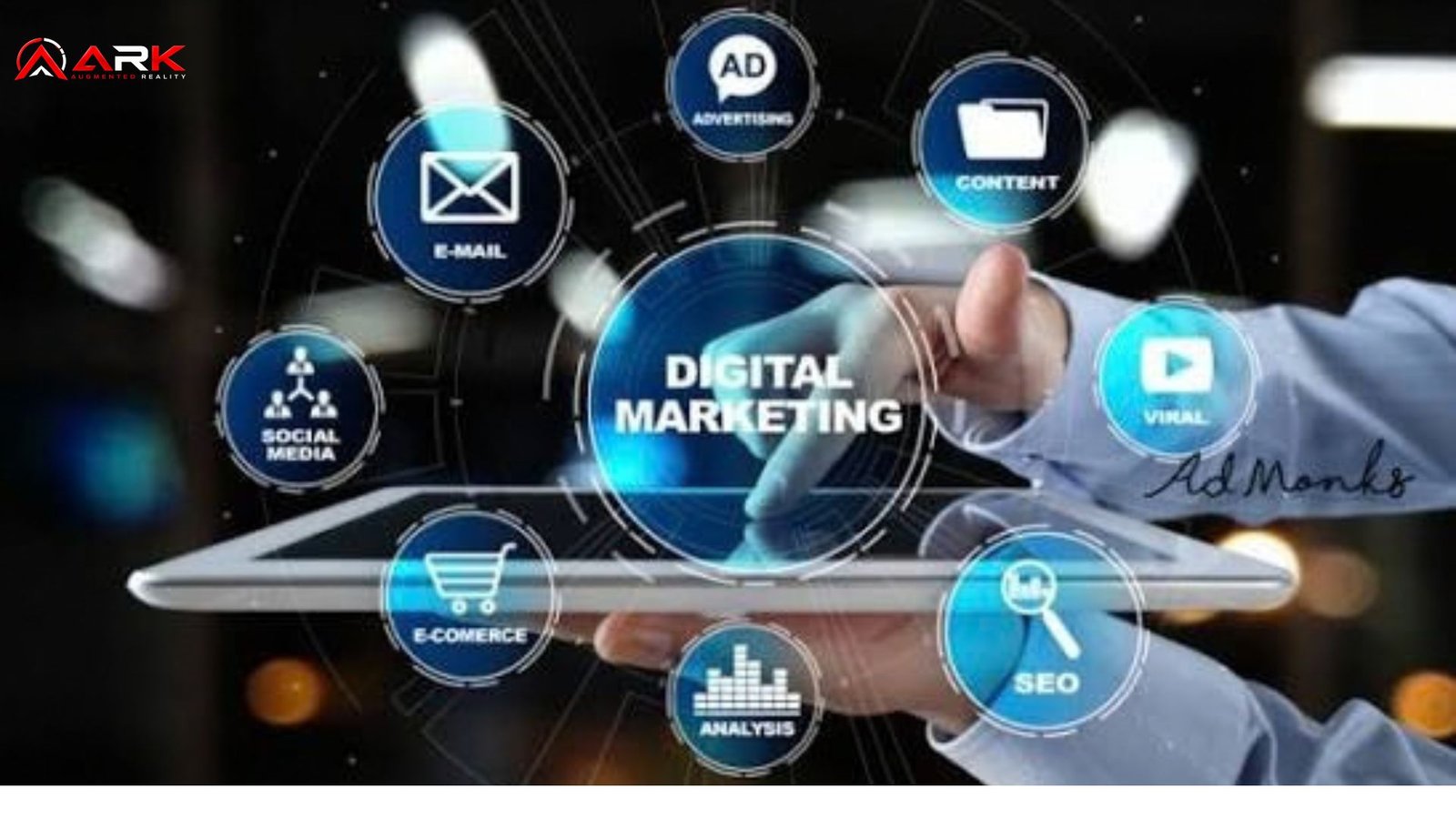
Digital marketing services help businesses attract potential customers, build visibility, generate leads, and support sales through online channels. Instead of relying on a single tactic, a strong strategy can combine search engine optimization (SEO), paid advertising, content, social media, email, conversion optimization, and analytics.
For a small business, ecommerce store, professional firm, or growing company in the USA or UK, the challenge is rarely finding another marketing channel. The real challenge is deciding which channels deserve investment and how they should work together.
What Are Digital Marketing Services?
Digital marketing services are professional activities designed to promote a business, product, or service through internet-based channels. They can be delivered by an agency, freelancer, in-house team, or a combination of providers.
The scope varies considerably. Some businesses need local SEO and Google Ads, while others require content production, social media management, email campaigns, or a complete customer-acquisition strategy.
Common services include:
- SEO and technical SEO
- Pay-per-click (PPC) advertising
- Social media marketing
- Content marketing
- Email marketing
- Conversion rate optimization
- Local SEO
- Analytics and performance reporting
The right combination depends on the company’s audience, objectives, sales cycle, budget, competition, and existing online presence.
Core Digital Marketing Services Businesses Use
SEO and organic search
SEO focuses on improving a website’s ability to appear for relevant searches. Work may include keyword research, technical improvements, content optimization, internal linking, digital PR, and local search optimization.
Unlike paid advertising, organic visibility is not purchased on a per-click basis. However, SEO requires ongoing work because search results, competitors, websites, and user behavior change over time.
Paid search and display advertising
PPC allows businesses to pay for advertising placements on search engines and other digital platforms. Campaigns can target specific keywords, audiences, locations, devices, or customer behaviors.
Paid campaigns can be useful when a company needs measurable traffic quickly, but profitability depends on factors such as targeting, landing-page quality, conversion rates, and customer value.
Content marketing
Content marketing uses useful information to attract and educate an audience. Examples include blog articles, guides, videos, case studies, newsletters, comparison pages, and original research.
Effective content should answer genuine customer questions rather than exist simply to target keywords. It should also reflect the stage of the buyer journey: someone researching a problem needs different information from someone ready to request a quote.
Social media marketing
Social media can support brand awareness, customer engagement, community building, and distribution of content. Depending on the audience, businesses may use platforms such as Instagram, Facebook, LinkedIn, TikTok, or YouTube.
Social media is not automatically effective simply because a company posts frequently. Content needs a clear purpose, an appropriate audience, and a realistic measurement framework.
Email marketing and customer retention
Email remains useful for nurturing prospects, communicating with existing customers, promoting products, and encouraging repeat purchases.
Campaigns can include welcome sequences, educational newsletters, abandoned-cart messages, product updates, and customer re-engagement. Permission, relevance, accurate claims, and appropriate data practices are essential.
How to Choose the Right Service Mix
Not every business needs every channel. A better starting point is the commercial objective.
| Business objective | Services to consider | Useful measurements |
|---|---|---|
| Increase organic visibility | SEO, content, local SEO | Rankings, organic traffic, leads |
| Generate immediate demand | PPC, paid social | Cost per lead, conversions, revenue |
| Build brand awareness | Social media, content, video | Reach, engagement, branded searches |
| Increase website sales | CRO, PPC, SEO, analytics | Conversion rate, revenue, average order value |
| Retain customers | Email, CRM, content | Repeat purchases, retention, email revenue |
A company should also examine its sales process before choosing a provider. If leads are not followed up consistently, generating more leads may not solve the underlying business problem.
💡 Pro Tip: Ask any agency to map each proposed activity to a business objective and measurement method. If a service cannot be connected to a meaningful outcome, ask why it belongs in the strategy.
What Should You Look for in a Digital Marketing Agency?
A provider should be able to explain its approach without hiding behind technical terminology. Look for clear deliverables, realistic reporting, defined responsibilities, and a measurement plan.
Ask prospective agencies:
- Which channels would you prioritize and why?
- How will success be measured?
- What access will the business retain to its advertising accounts and analytics?
- How often will performance be reviewed?
- What happens if a campaign does not produce the expected results?
Be cautious about guaranteed rankings, guaranteed revenue, or other claims that imply outcomes can be promised regardless of market conditions. In the USA, the Federal Trade Commission states that advertising claims must be truthful, not deceptive or unfair, and supported by appropriate evidence.
Transparency also matters for influencer campaigns, reviews, and endorsements. The FTC’s updated Endorsement Guides address disclosures, incentivized reviews, fake reviews, and other practices that can mislead consumers.
Measuring the Performance of Digital Marketing Services
Good reporting goes beyond impressions, clicks, and follower counts. The metrics should reflect the business model.
For lead-generation companies, useful measurements can include qualified leads, cost per qualified lead, conversion rate, and sales generated. Ecommerce companies may focus more heavily on revenue, customer acquisition cost, conversion rate, and repeat purchases.
Attribution also requires care. A customer may discover a business through organic search, return through an email, and eventually convert after clicking a paid advertisement. Treating one channel as solely responsible can produce a misleading picture.
Analytics should therefore be used to understand customer journeys and make informed decisions rather than simply produce impressive-looking dashboards.
📌 Key Takeaway: Effective digital marketing is less about using the largest number of channels and more about connecting the right activities to a defined audience, commercial objective, customer journey, and measurable outcome.
Frequently Asked Questions
How much do digital marketing services cost?
There is no universal price. Costs vary according to the services required, market, competition, geographic coverage, campaign complexity, and whether work is performed in-house, by freelancers, or by an agency. Businesses should compare the scope of work and expected deliverables rather than choosing solely by monthly price.
Which digital marketing service should a small business start with?
The starting point depends on the business model and existing visibility. A local company may prioritize local SEO and search advertising, while an ecommerce business may combine paid acquisition with product-page SEO and retention marketing. Establishing the objective first makes channel selection more practical.
How long does SEO take to produce results?
SEO does not have a universal timetable. Results depend on the website’s starting condition, competition, content quality, technical issues, authority, and search demand. Businesses should evaluate progress through relevant visibility, traffic, leads, and conversions rather than expecting a guaranteed result by a specific date.
Should a business hire an agency or build an in-house team?
Both models can work. An agency may provide access to specialized skills without requiring a large permanent team. An in-house team can offer closer day-to-day knowledge of the company’s products, customers, and internal processes. Some businesses combine internal marketing leadership with external specialists.
Are digital marketing services worth paying for?
Their value depends on whether the work produces meaningful business outcomes relative to its cost. A service that increases qualified demand, improves conversion efficiency, or strengthens customer retention can contribute commercial value. However, results should be assessed against clear objectives and reliable measurements rather than marketing activity alone.
Conclusion
Digital marketing services cover a broad range of activities, from SEO and paid search to content, social media, email, and conversion optimization. The strongest strategy is not necessarily the most complicated one. It is the one that connects customer needs with appropriate channels and measurable business goals.
Before hiring a provider, define what you need to accomplish, establish realistic measurements, and ask how each recommended activity contributes to that objective. With that foundation, digital marketing becomes a business process to manage and improve rather than a collection of disconnected online tactics.
