Godzilla is more than a giant monster. Since his first appearance in the 1954 Japanese film Godzilla, the character has evolved from a terrifying symbol of nuclear destruction into one of cinema’s most recognizable figures. The franchise now spans Japanese films, Hollywood productions, television, animation, games, comics, merchandise, and decades of changing interpretations. TOHO identifies the original 1954 movie as a landmark in special-effects cinema, while the official franchise site traces appearances across more than seven decades.
For someone discovering the character today, the biggest challenge is knowing where to begin. The films do not all belong to one continuous storyline, and different eras give the monster different personalities, abilities, and purposes. Understanding those eras makes the enormous franchise much easier to navigate.
How Godzilla Became a Movie Icon
The original 1954 film was directed by Ishirō Honda, with special effects overseen by Eiji Tsuburaya. Its creature was designed as a destructive force associated with the consequences of nuclear weapons and humanity’s relationship with nature. The film’s darker tone made the monster considerably different from many later interpretations.
That foundation remained important even as the series changed. The early films presented a frightening creature capable of devastating cities, but later entries increasingly turned the character into a defender or antihero. According to the official franchise history, Godzilla’s role shifted substantially during the Showa era, eventually allowing him to fight alongside other monsters against larger threats.
This flexibility became one of the franchise’s greatest strengths. The character could represent environmental destruction in one story, become a reluctant protector in another, and serve as a spectacular opponent for another kaiju in the next.
The Major Godzilla Eras
One useful way to understand the films is by dividing them into broad eras rather than trying to treat every movie as part of one uninterrupted timeline.
| Era | Approximate period | What defines it |
|---|---|---|
| Showa | 1954–1975 | From serious allegory to colorful monster battles |
| Heisei | 1984–1995 | More connected continuity and stronger science-fiction themes |
| Millennium | 1999–2004 | Mostly standalone stories with different continuities |
| Reiwa | 2016–present | Experimental Japanese interpretations and new storytelling approaches |
| MonsterVerse | 2014–present | Hollywood shared universe featuring Titans and human characters |
The original Showa run established many familiar creatures and concepts. The Heisei films brought a more serious tone and a stronger sense of continuity. The Millennium period experimented with separate approaches, while the Reiwa era produced dramatically different interpretations such as Shin Godzilla and Godzilla Minus One.
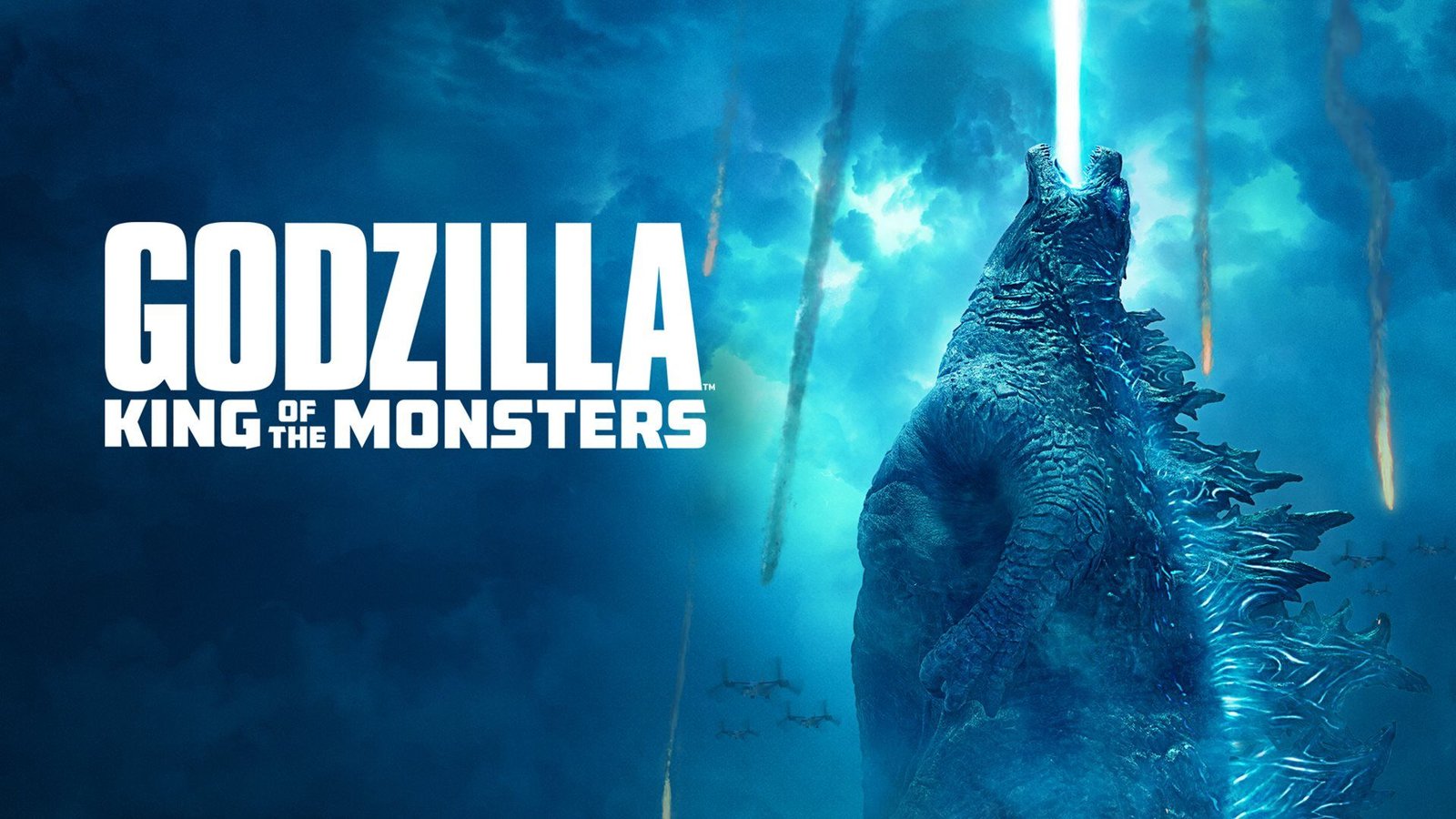
The Hollywood MonsterVerse follows its own continuity. It began with Godzilla in 2014 and expanded through Kong: Skull Island, Godzilla: King of the Monsters, Godzilla vs. Kong, Monarch: Legacy of Monsters, and Godzilla x Kong: The New Empire.
What Are Godzilla’s Powers?
The exact abilities vary by incarnation, so there is no single definitive power chart for every version.
His signature weapon is atomic breath, a concentrated energy attack that has become one of the character’s defining visual features. Physical strength, enormous durability, powerful jaws, a massive tail, and distinctive dorsal plates are also recurring characteristics.
Some versions possess additional abilities or unusually high levels of regeneration. Others have unique transformations or energy-related powers. That variation is part of the fun, but it also means comparisons between different versions should be treated as comparisons between separate interpretations rather than a single fixed character.
💡 Pro Tip:
If you’re comparing different versions, identify the specific movie or era first. Saying one incarnation is simply “stronger” than another can be misleading because their abilities, size, durability, and story rules may be completely different.
Godzilla’s Most Important Movies
A newcomer does not need to watch every film immediately. A selective path gives a better introduction to the character’s changing identity.
The 1954 original is the essential starting point because it establishes the character’s core symbolism and cinematic identity. Godzilla vs. King Kong introduced one of the franchise’s most famous rivalries, while later Showa movies expanded the monster universe.
For a modern Japanese entry point, Shin Godzilla offers a politically charged and highly distinctive interpretation. It was released in Japan in 2016 and became one of TOHO’s major modern entries.
Godzilla Minus One provides another compelling modern perspective, returning to a postwar setting and emphasizing human survival alongside the monster spectacle. For viewers primarily interested in Hollywood action, the 2014 film is the natural starting point for the MonsterVerse continuity.
The official franchise site lists more than 30
seven decades, demonstrating how difficult it is to reduce the series to one simple viewing order.
Why Godzilla Still Works
The character has survived because the idea can be adapted without losing its identity.
At its best, Godzilla stories combine spectacle with something more substantial. The monster can embody fears about nuclear weapons, environmental damage, technological consequences, uncontrolled power, or humanity’s inability to manage forces larger than itself. The exact theme depends on the film.
There is also a straightforward entertainment factor. Giant creatures fighting across recognizable cities remain visually compelling, particularly when filmmakers give the destruction a meaningful narrative purpose.
Another reason for the character’s longevity is adaptability. A serious Japanese drama and a large-scale Hollywood monster adventure can feel completely different while still belonging to the same broad cultural tradition.
How to Start Watching Godzilla
If you’re new to the franchise, choose based on what you want from the experience:
- Classic monster cinema: Start with Godzilla (1954).
- Modern Japanese filmmaking: Try Shin Godzilla.
- Postwar drama and creature horror: Watch Godzilla Minus One.
- Hollywood monster action: Begin with Godzilla (2014).
- Monster-versus-monster spectacle: Continue through the MonsterVerse toward Godzilla x Kong: The New Empire.
This approach is more approachable than attempting to watch every installment chronologically. It also lets you see how different filmmakers have reinterpreted the central idea.
📌 Key Takeaway:
Godzilla is best understood as a cinematic concept as much as an individual monster. His appearance, powers, personality, and role can change, but the strongest films use the creature to explore fear, destruction, nature, human responsibility, or simply the thrill of giant monsters colliding.
Frequently Asked Questions
Is Godzilla a hero or a villain?
Neither description fits every version. The original creature is primarily a destructive force, while later stories sometimes portray him as a defender of Earth or a reluctant ally. His role depends on the era, film, and continuity.
Which Godzilla movie should I watch first?
The 1954 original is the best starting point if you want to understand the character’s origins. If you prefer modern production values, Shin Godzilla, Godzilla Minus One, or the 2014 Hollywood film can provide more accessible entry points.
How many Godzilla movies are there?
The franchise includes more than 30 films across Japanese productions and Hollywood’s MonsterVerse, with the exact count depending on which productions and categories are included. The official franchise site describes the cinematic history as spanning seven decades.
Is the MonsterVerse connected to the Japanese movies?
The MonsterVerse is a separate Hollywood continuity. It began with the 2014 Godzilla film and developed into a shared universe involving Kong and other Titans. It should not be treated as a direct continuation of the main TOHO film timeline.
Why is Godzilla so famous?
The character combines a memorable visual design with themes that can change according to the era. His ability to work as horror, science fiction, social commentary, adventure, or blockbuster spectacle has helped maintain his cultural relevance for generations.
Godzilla remains one of cinema’s most adaptable monsters because there is no single way to tell his story. The 1954 original established a creature rooted in postwar anxiety, while later filmmakers transformed him into a hero, antagonist, force of nature, or centerpiece of enormous monster battles. TOHO’s franchise history now spans more than 70 years, and its continued reinvention explains why the King of the Monsters remains recognizable to audiences in both Japan and the West.
Conculsion
Godzilla remains one of the most recognizable figures in movie history because the character can change with every generation while retaining a powerful identity. From the darker themes of the 1954 original to modern films such as Shin Godzilla and Godzilla Minus One, different filmmakers have used the monster to explore destruction, fear, nature, and human responsibility. At the same time, spectacular battles and unforgettable designs keep the franchise entertaining. For new viewers, starting with a classic film and then exploring a modern interpretation is one of the best ways to appreciate why Godzilla has remained the King of the Monsters for more than seven decades.
