
Pulp Fiction Movie Poster: Design, Meaning, and Collector Guide
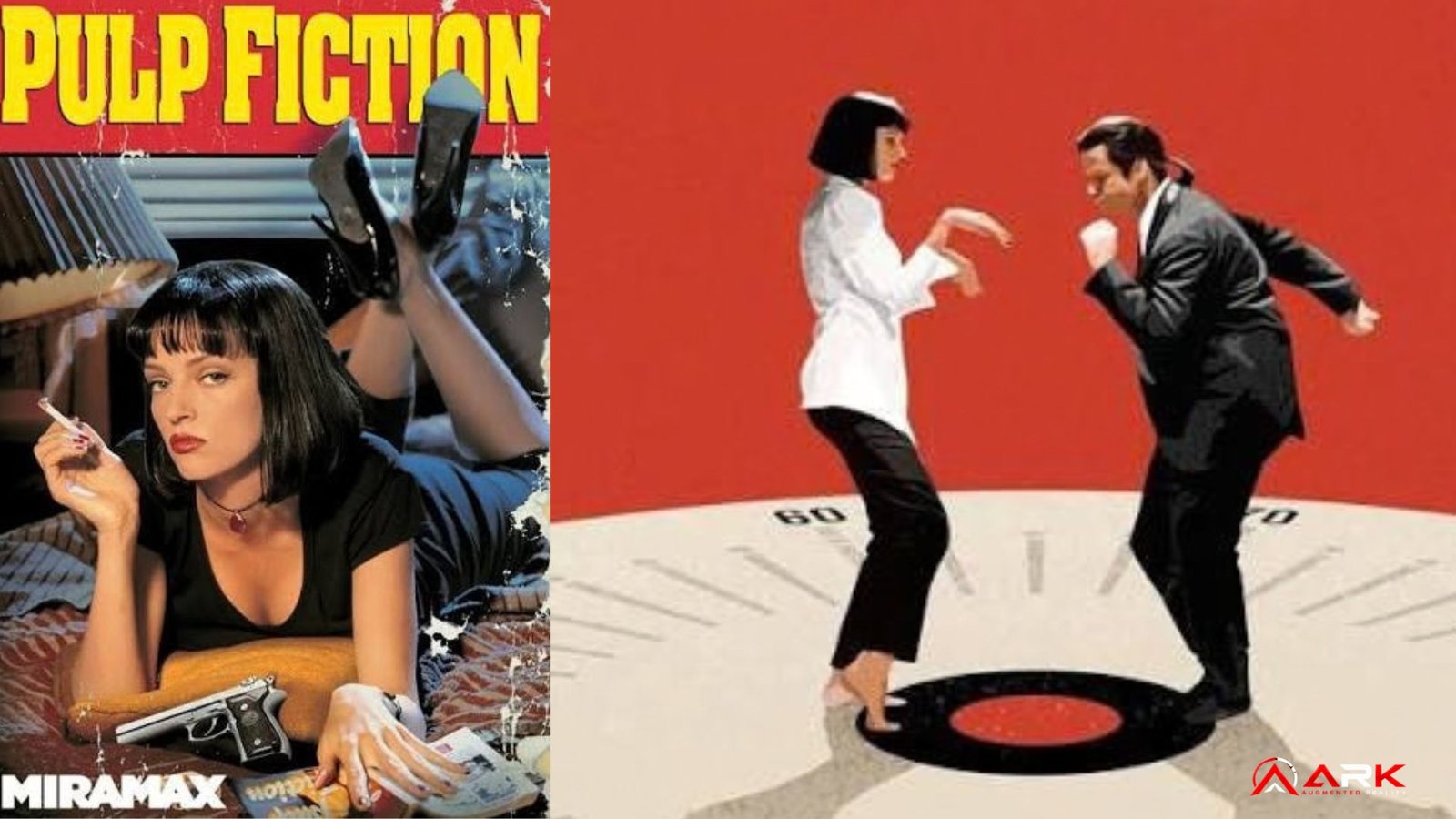
The Pulp Fiction movie poster is one of the most recognizable pieces of 1990s film artwork. Its image of Mia Wallace, played by Uma Thurman, lounging across a bed with a cigarette, paperback, and confident expression turned a simple promotional design into a lasting piece of movie culture. Miramax identifies the theatrical one-sheet as the official poster and describes it as featuring Thurman’s Mia Wallace.
For fans, the appeal goes beyond nostalgia. The artwork captures the film’s pulp-inspired identity, while its limited color palette, bold typography, and staged photography make it work equally well as cinema memorabilia and wall art.
What makes the Pulp Fiction movie poster so recognizable?
The original theatrical design immediately establishes a vintage paperback aesthetic. Mia appears against a dark background, surrounded by visual details that suggest a crime novel rather than a conventional Hollywood advertisement.
That choice fits the film itself. Directed and co-written by Quentin Tarantino, Pulp Fiction was released in 1994 and follows several interconnected characters, including hitmen Vincent Vega and Jules Winnfield, boxer Butch Coolidge, and Mia Wallace.
The poster concentrates that larger world into one memorable character. Instead of showing a collection of major cast members, explosions, or action scenes, it creates intrigue around Mia. Her pose and expression suggest that there is a story behind the image, encouraging viewers to discover what the film is about.
The vintage paperback influence
The typography and composition deliberately resemble the cover of an old pulp novel. That visual language connects with the movie’s title and its interest in crime stories, pop culture, genre conventions, and exaggerated characters.
The design also benefits from contrast. The mostly black-and-white image of Mia is framed by warm yellow and red elements, giving the poster a slightly weathered, printed quality. This is one reason reproductions remain popular: the artwork can feel retro without looking dated.
The imagery behind the iconic design
The central photograph of Mia is the defining feature of the Pulp Fiction movie poster. Her black bob haircut, dark clothing, cigarette, and relaxed posture create an immediately identifiable silhouette.
The image is also closely associated with the character rather than merely the actress. Miramax’s official material identifies Thurman as Mia Wallace in the film and features clips involving Mia and Vincent Vega, reinforcing the character’s importance within the movie’s visual identity.
Other objects in the composition contribute to the pulp-fiction atmosphere. The paperback, cigarette, and scattered personal items make the image look like a deliberately constructed snapshot rather than a conventional studio portrait.
This simplicity is significant. A strong movie poster needs to communicate a recognizable identity from a distance, and the design achieves that without requiring an elaborate scene.
Original poster vs. modern reproduction
Collectors should distinguish between an original theatrical one-sheet and a later licensed reproduction. Miramax currently sells a reprint of the official theatrical poster, specifically describing it as a reproduction of the theatrical one-sheet.
| Poster type | Typical purpose | What to check |
|---|---|---|
| Original theatrical one-sheet | Film memorabilia and collecting | Provenance, condition, dimensions, printing details |
| Licensed reproduction | Home décor and fandom | Licensing information, paper quality, print clarity |
| Unofficial reproduction | Low-cost decoration | Seller reliability, image quality, copyright status |
| Framed poster | Display | Frame condition, glazing, mounting, print authenticity |
An original is primarily a collectible, while a reproduction can be a practical choice for someone who simply wants the artwork on a wall. Price alone should not be used to determine authenticity. Documentation, seller reputation, printing characteristics, and condition matter more.
💡 Pro Tip: If you are buying a collectible, ask the seller for photographs of the front and back, exact dimensions, close-ups of printing details, and any provenance they can provide. Comparing those details with reliable references is safer than relying on a listing title or the phrase “original.”
Why the poster remains popular
The Pulp Fiction movie poster has endured because the film itself became closely associated with a distinctive visual and cultural style. Miramax records that Pulp Fiction won the 1995 Academy Award for Best Original Screenplay and the Palme d’Or at the 1994 Cannes Film Festival.
Its poster therefore sits at the intersection of several interests: movie memorabilia, 1990s cinema, Tarantino fandom, graphic design, and retro interior décor.
It is also unusually versatile as wall art. The dark background can work in a minimalist room, home theater, office, bedroom, or entertainment space. A framed version tends to look more like established film memorabilia, while an unframed print can create a more casual poster-wall aesthetic.
The artwork’s recognizability also helps explain why it appears so frequently in searches for Pulp Fiction décor. People may not be looking for a collector’s item at all; they may simply want a recognizable representation of one of their favorite films.
How to choose a quality Pulp Fiction movie poster
Start by deciding whether you want authenticity, decoration, or a balance of both.
For collectors, verify whether the item is genuinely an original theatrical poster. Request documentation where available and pay close attention to condition. Fold marks, tears, discoloration, restoration, and trimming can materially affect a collectible’s value.
For home décor, focus more on printing quality. Look for sharp typography, accurate colors, a suitable paper stock, and dimensions that match your intended frame. Avoid listings that use extremely compressed images, unclear product photographs, or vague claims about authenticity.
Copyright is another consideration. An officially licensed reproduction is generally easier to evaluate than a random print offered without clear information about its source.
Is the poster suitable for a home theater?
Absolutely. A Pulp Fiction movie poster can be especially effective in a home theater because its visual language immediately communicates classic movie culture.
For a sophisticated look, choose a simple black frame with a white or neutral mat. For a more vintage appearance, a slightly distressed frame can complement the poster’s pulp-inspired character. Keep surrounding artwork relatively restrained so the central image remains the focal point.
If you are decorating a larger cinema-themed room, consider placing the poster alongside other officially licensed film artwork rather than creating a wall filled with several versions of the same image.
📌 Key Takeaway
The Pulp Fiction movie poster works because it is instantly recognizable without being visually complicated. Its Mia Wallace portrait, pulp-fiction styling, strong contrast, and connection to the 1994 film give it lasting appeal. For buyers, the biggest distinction is between an authentic collectible and a licensed decorative reproduction.
Frequently Asked Questions
Who is featured on the Pulp Fiction movie poster?
The iconic theatrical design features Mia Wallace, played by Uma Thurman. Miramax’s official shop describes its theatrical poster reprint as featuring the iconic image of Thurman’s character.
Is the original Pulp Fiction poster valuable?
An original can have collectible value, but value depends on factors such as authenticity, condition, provenance, printing details, and market demand. A licensed reproduction should not be confused with an original theatrical one-sheet.
What size is the original theatrical poster?
The standard theatrical one-sheet format is commonly associated with a 27-by-40-inch poster size. Buyers should still verify the exact dimensions of a particular item because reproductions can be produced in different formats.
Why is Mia Wallace used for the poster?
Mia provides a visually distinctive focal point that reflects the film’s stylish, mysterious, and pulp-inspired identity. Her appearance became strongly associated with the movie’s promotional imagery.
Where can I buy an official reproduction?
Miramax offers a reprint identified as the official Pulp Fiction theatrical one-sheet. Checking the studio’s official merchandise pages is a useful way to distinguish licensed merchandise from unofficial copies.
Conclusion
The Pulp Fiction movie poster is more than a familiar image from a celebrated 1994 film. Its Mia Wallace portrait, pulp-novel influence, restrained composition, and bold color accents give it an identity that works both as movie memorabilia and as decorative wall art.
If authenticity matters, investigate provenance and printing details before buying. If your goal is simply to bring Tarantino’s film aesthetic into a room, a high-quality licensed reproduction can provide the visual impact without the concerns associated with collectible originals.
