
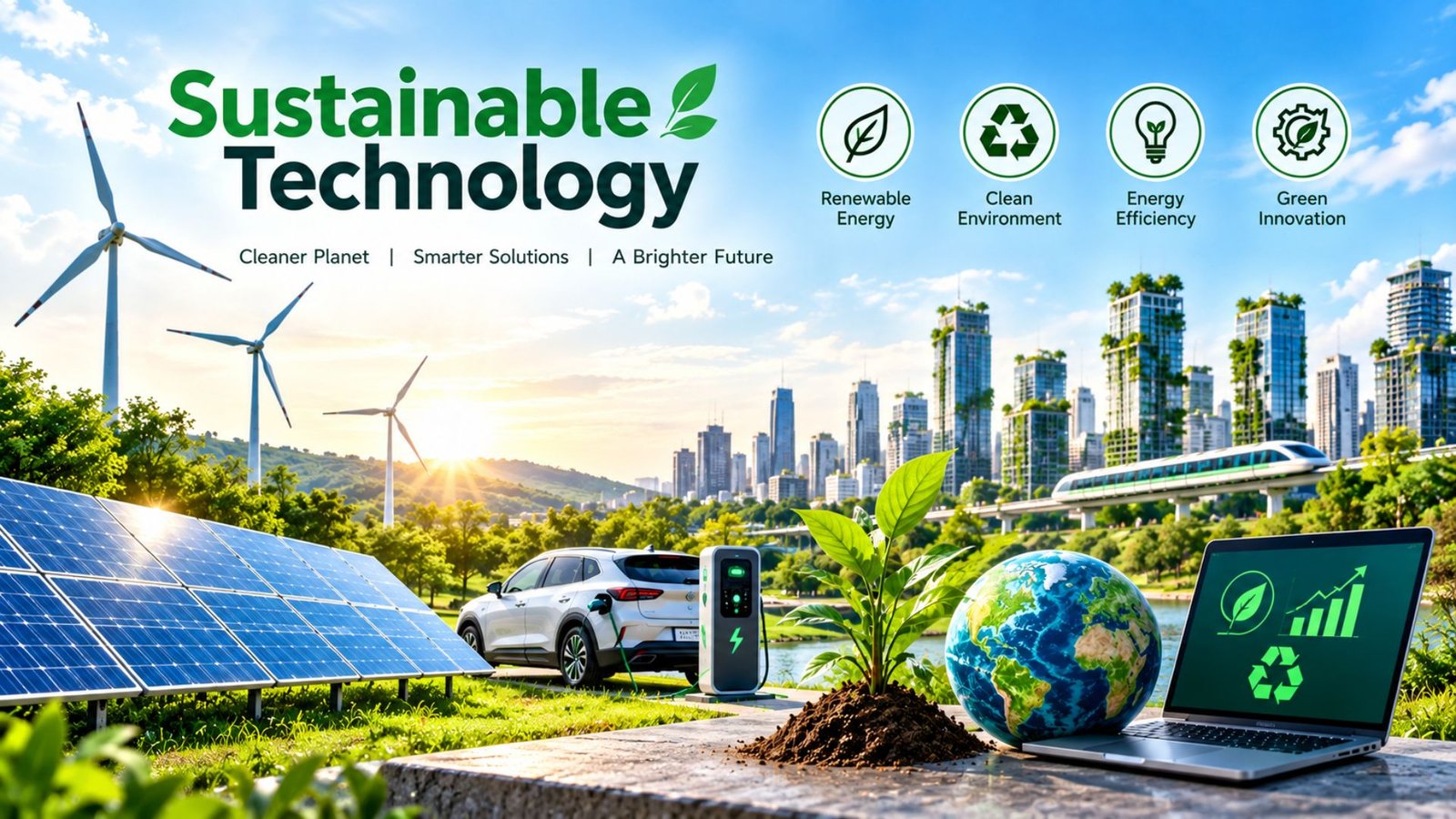
Sustainable technology is changing how people, businesses, and governments approach energy, transportation, manufacturing, and everyday consumption. Instead of focusing only on economic growth, modern innovation increasingly considers environmental impact, resource efficiency, and long-term social benefits. From renewable energy systems to smart buildings and cleaner production methods, technology is becoming a critical tool for reducing waste and protecting natural resources.
The growing interest in sustainable technology comes from a simple challenge: how can society continue developing while using fewer resources and creating less environmental damage? The answer involves designing solutions that balance performance, affordability, and ecological responsibility. These technologies are helping industries reduce emissions, improve efficiency, and create more resilient systems for the future.
What Is Sustainable Technology?
Sustainable technology refers to innovations designed to meet human needs while minimizing negative effects on the environment. These solutions focus on efficient resource use, reduced pollution, renewable energy adoption, and responsible production practices.
Unlike traditional technologies that may consume large amounts of energy or create significant waste, sustainable solutions aim to work within environmental limits. They include renewable power systems, energy-efficient devices, electric transportation, sustainable agriculture tools, recycling technologies, and digital systems that optimize resource management.
The purpose is not simply to replace existing products with “green” alternatives. Effective sustainable innovation considers the complete lifecycle of a product or system, including how materials are sourced, how products are manufactured, how they are used, and how they are disposed of or recycled.
Key Areas Where Sustainable Technology Is Making an Impact
Different industries are adopting environmentally responsible solutions to address climate challenges and improve efficiency. Some of the most important areas include:
Renewable Energy Solutions
Clean energy is one of the most visible examples of sustainable innovation. Solar panels, wind turbines, and advanced battery storage systems allow communities and businesses to reduce dependence on fossil fuels.
Modern renewable energy technologies are becoming more efficient and accessible. Improved battery systems help store electricity generated from renewable sources, making clean power more reliable even when sunlight or wind availability changes.
Smart Buildings and Energy Efficiency
Buildings consume significant amounts of energy through heating, cooling, lighting, and electrical systems. Smart technology helps reduce unnecessary consumption through automated controls, sensors, and energy monitoring platforms.
Smart thermostats, efficient lighting systems, and building management software can identify energy waste and adjust operations automatically. These improvements lower costs while reducing environmental impact.
Sustainable Transportation
Transportation is another major area where innovation is creating change. Electric vehicles, hydrogen-powered systems, improved public transportation networks, and smart traffic management are helping reduce emissions from traditional vehicles.
Electric mobility is supported by developments in battery technology, charging infrastructure, and renewable electricity generation. As these systems improve, cleaner transportation becomes more practical for consumers and businesses.
Sustainable Manufacturing
Manufacturers are increasingly using advanced technologies to reduce material waste and energy consumption. Automation, artificial intelligence, and digital monitoring systems allow companies to improve production efficiency.
Circular manufacturing models also encourage companies to reuse materials, repair products, and design goods that can be recycled at the end of their useful life.
| Technology Area | Example Solutions | Main Environmental Benefit |
|---|---|---|
| Energy | Solar power, wind energy, battery storage | Reduces dependence on fossil fuels |
| Buildings | Smart sensors, efficient appliances | Lowers energy consumption |
| Transportation | Electric vehicles, clean transit systems | Reduces transport emissions |
| Manufacturing | Recycling systems, automation | Minimizes waste and improves efficiency |
Benefits of Sustainable Technology
The advantages of sustainable innovation extend beyond environmental protection. These technologies can create economic opportunities and improve quality of life.
Reduced Environmental Impact
The primary benefit is lowering damage to ecosystems. Cleaner energy sources, efficient resource use, and waste reduction strategies help decrease pollution and conserve natural resources.
Lower Operating Costs
Energy-efficient systems often reduce long-term expenses. Businesses investing in efficient equipment, renewable energy, and optimized processes may save money through reduced energy use and improved productivity.
Stronger Business Competitiveness
Companies adopting sustainable practices can improve their reputation, meet changing customer expectations, and prepare for future environmental regulations. Sustainable solutions are becoming part of long-term business planning rather than simply a corporate responsibility initiative.
Improved Resource Security
Efficient technology helps reduce dependence on limited resources. Renewable energy, water-saving systems, and recycling innovations support more stable access to essential materials.
💡 Pro Tip:
When evaluating a sustainable solution, look beyond the initial purchase price. Consider energy savings, maintenance requirements, product lifespan, and whether materials can be reused or recycled. A slightly higher upfront investment may provide greater environmental and financial value over time.
Challenges Facing Sustainable Technology Adoption
Although sustainable innovation offers many advantages, several challenges can slow adoption.
High Initial Costs
Some environmentally friendly technologies require significant investment before benefits become visible. Solar installations, electric vehicle infrastructure, and advanced energy systems may involve higher upfront expenses compared with conventional alternatives.
Resource and Supply Chain Issues
Certain technologies depend on specialized materials. Responsible sourcing, recycling systems, and improved manufacturing processes are necessary to ensure that green technologies do not create new environmental problems.
Infrastructure Limitations
The success of many sustainable solutions depends on supporting infrastructure. For example, electric transportation requires accessible charging networks, while renewable energy requires modern electricity grids.
Need for Better Awareness
Consumers and organizations may avoid sustainable options because they lack information about long-term benefits. Education and transparent information can help people make better decisions.
How Businesses Can Use Sustainable Technology
Organizations of all sizes can integrate environmentally responsible solutions into daily operations. Practical steps include:
- Using renewable energy where possible
- Improving energy efficiency in offices and facilities
- Reducing unnecessary waste through digital systems
- Choosing sustainable materials
- Optimizing supply chains
- Investing in cleaner production methods
Businesses do not need to transform everything at once. Gradual improvements can create meaningful environmental benefits while maintaining financial stability.
The Future of Sustainable Technology
The next generation of sustainable innovation will likely combine environmental science with advanced digital technologies. Artificial intelligence, automation, biotechnology, and advanced materials are expected to improve how resources are produced, managed, and reused.
Artificial intelligence can help analyze energy consumption patterns, predict equipment failures, and improve resource planning. Advanced materials may create stronger, lighter, and more recyclable products. Digital platforms can help communities monitor environmental conditions and make smarter decisions.
The future of sustainable technology depends on collaboration between governments, businesses, researchers, and consumers. Policies, investment, and responsible choices will influence how quickly cleaner solutions become widely available.
📌 Key Takeaway:
Sustainable technology is not only about protecting the environment; it is about creating smarter systems that use resources efficiently, support economic growth, and improve long-term quality of life. The most successful innovations will combine environmental responsibility with practical value.
Frequently Asked Questions
What is sustainable technology in simple terms?
Sustainable technology means using innovative tools, systems, and processes that reduce environmental harm while meeting human needs. It focuses on saving resources, reducing waste, improving efficiency, and supporting long-term environmental and economic stability.
Why is sustainable technology important for businesses?
Businesses use sustainable solutions to reduce operating costs, improve efficiency, meet environmental expectations, and prepare for future regulations. These technologies can also strengthen brand reputation and create new opportunities in emerging markets.
What are some examples of sustainable technology?
Examples include solar energy systems, electric vehicles, smart buildings, energy-efficient appliances, recycling technologies, precision agriculture tools, and digital platforms that help manage resources more effectively.
Is sustainable technology expensive?
Some sustainable solutions require higher initial investment, but many provide long-term savings through reduced energy use, lower maintenance costs, and improved efficiency. Costs are often decreasing as adoption increases and technology improves.
How can individuals support sustainable technology?
Individuals can support sustainable innovation by choosing energy-efficient products, using renewable energy where available, reducing waste, recycling materials, and adopting cleaner transportation options when practical.
Conclusion
Sustainable technology represents a shift toward smarter innovation that considers both human progress and environmental responsibility. From clean energy and efficient transportation to responsible manufacturing and digital optimization, these solutions are helping create systems that use fewer resources while delivering valuable benefits.
As environmental challenges continue to influence decisions worldwide, sustainable technology will remain an essential part of future development. The strongest solutions will not only reduce environmental impact but also provide practical, affordable, and reliable advantages for communities, businesses, and individuals.
